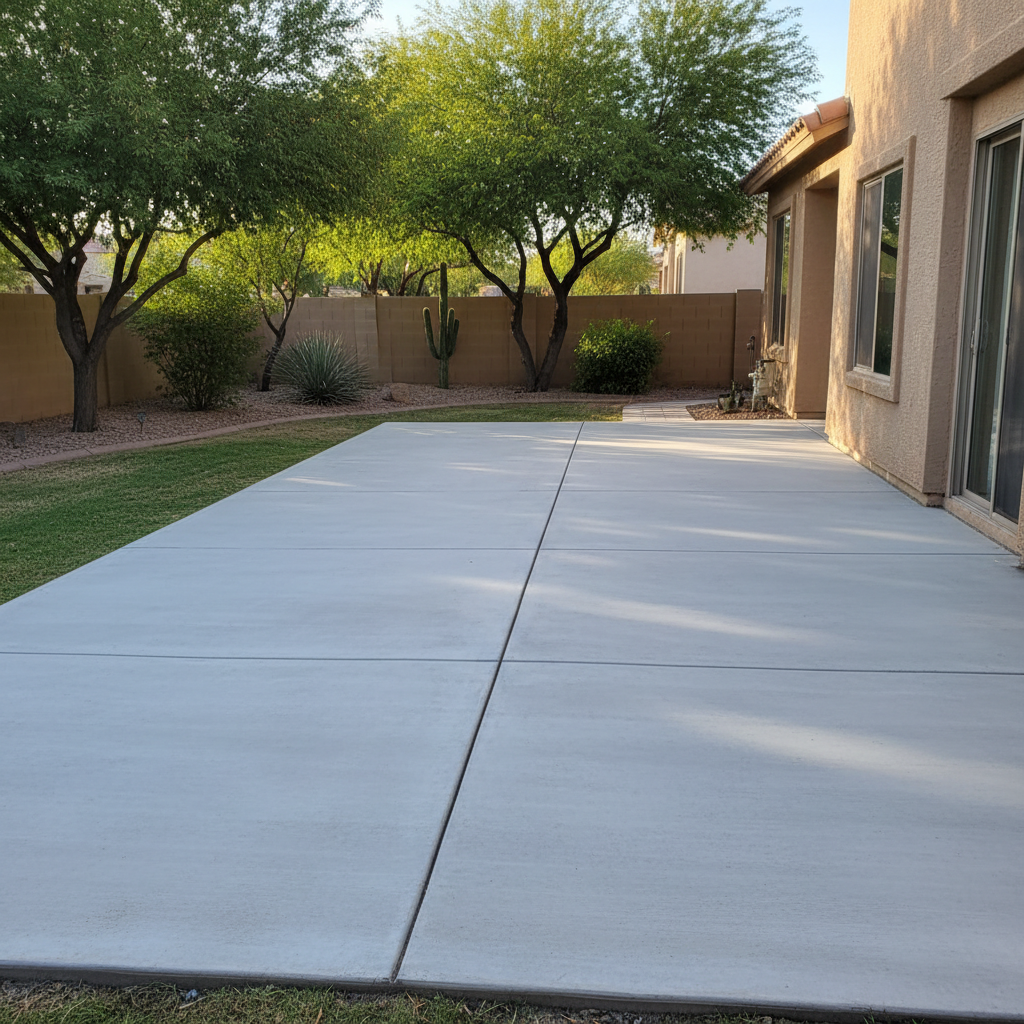
You've put good money into your concrete driveway, patio, or walkways. Naturally, you want it to last, right? Down here in Coolidge, our concrete really faces some unique challenges, mostly thanks to that relentless Arizona sun and our monsoon season. It's not just about looking pretty, either; proper maintenance can seriously extend your concrete's life and save you a real headache down the road.
Extending the Life of Your Concrete Flatwork
First off, let's talk about what truly wears down concrete around here. It's usually not freezing and thawing, like you'd find up north. No, it's the sun, the extreme heat, and then those sudden, heavy rains. That combination can cause thermal shock and erosion. That's precisely why sealing is so crucial. I can't stress this enough: a good quality concrete sealer is your first line of defense. It acts like sunscreen for your concrete, protecting it from UV rays, stopping moisture from getting in, and making it much more resistant to stains.
We recommend sealing your concrete every 2-3 years. Sometimes you'll need to do it more often, especially if it's a high-traffic area or gets a lot of direct, all-day sun. Think about your south-facing driveway in a neighborhood like McCartney Center; that thing gets blasted all day long. That concrete needs more love than, say, a shaded patio. When we do a job at Coolidge Concrete Paving, we always bring up sealing, because it's just that important.
Drainage is another big one. Make sure water isn't pooling on your concrete, especially after those summer downpours. Standing water can seep into tiny cracks, and with our rapid heating and cooling cycles, that can lead to bigger problems faster than you'd think. Sweep away debris regularly. If you see puddles forming, that's a sign you might have a drainage issue or a slight settlement that needs a look.
Regular Maintenance: What You Need to Do
Keeping your concrete in top shape isn't rocket science, but it does take a little consistent effort. Here's what I tell folks:
- Clean it regularly: A good sweep with a stiff broom to get rid of dirt, leaves, and other debris is a great start. For tougher grime, a mild detergent and water with a scrub brush works wonders. You *can* pressure wash, but be careful not to use too high a setting, especially if your concrete is older or has a decorative finish. You really don't want to strip the sealer or etch the surface.
- Deal with spills immediately: Oil, grease, paint, rust — these things can penetrate unsealed or poorly sealed concrete quickly, leaving nasty stains. The sooner you clean them up, the better your chances of preventing a permanent mark.
- Control weeds: Weeds pushing up through cracks aren't just an eyesore; their roots can expand those cracks over time. Pull them out or use a weed killer.
- Re-seal as needed: Like I said, every 2-3 years is a good rule of thumb. You can tell if your sealer is wearing off if water no longer beads up on the surface but soaks right in.
Warning Signs of Concrete Problems
Your concrete will usually give you clues when something's not quite right. Don't ignore these:
- Cracks: Small hairline cracks are often normal, especially with our expansive clay soils. But if you see cracks wider than a credit card, or if they're running across the entire slab, or if one side of the crack is noticeably higher or lower than the other, that's a red flag.
- Spalling or flaking: This is when the surface of the concrete starts to peel, flake, or pit. It's often due to poor finishing, freeze-thaw cycles (less common here, but it can happen with certain moisture conditions), or chemical exposure.
- Discoloration or staining: Beyond just surface dirt, if you see large, persistent dark spots that don't clean up, or widespread fading, it could indicate moisture issues or sealer failure.
- Uneven surfaces: If your driveway or patio starts to sink or heave in certain areas, creating tripping hazards or pooling water, well, that's a structural issue.
When to Call a Professional
Look, a lot of basic maintenance you can handle yourself. But there are times when it's just smarter, and safer, to bring in the pros. If you're seeing any of those major warning signs — wide cracks, significant spalling, or uneven slabs — don't try to DIY a structural repair. You could make it worse or just waste time and money on a temporary fix.
If you're unsure about the best type of sealer for your specific concrete, or if you've got a decorative finish that needs special care, give us a call. We've seen it all here in Coolidge, from sun-baked driveways to patios that have taken a real beating from monsoon rains. We can assess the situation, explain your options clearly, and give you an honest recommendation. Sometimes it's a simple repair; other times, it might be time for a larger project. Either way, we're here to help you keep your concrete looking good and performing safely for years to come.